
Hormonal Birth Control
The stuff your doctor doesn't tell you

When the first oral contraceptive pill was introduced into the US market is 1960 it forever changed women’s lives - and mostly for the better. The amount of independence women gained was significant 👩🏾⚕️ 👩🔬👩🏻🏫. Lots has changed since then in terms of birth control options yet the pill remains the most commonly prescribed form. Not only that but the pill is plentifully prescribed for several things that have nothing to do with preventing pregnancy such as PMS, acne, PCOS, fibroids, endometriosis, etc. 🤔
My goal with this post is to provide you with important information about the effects of hormonal birth control so that you can truly make an informed decision. Doctors hand out prescriptions for it at the drop of a hat and say it’s completely safe. Unfortunately, it’s not that simple.
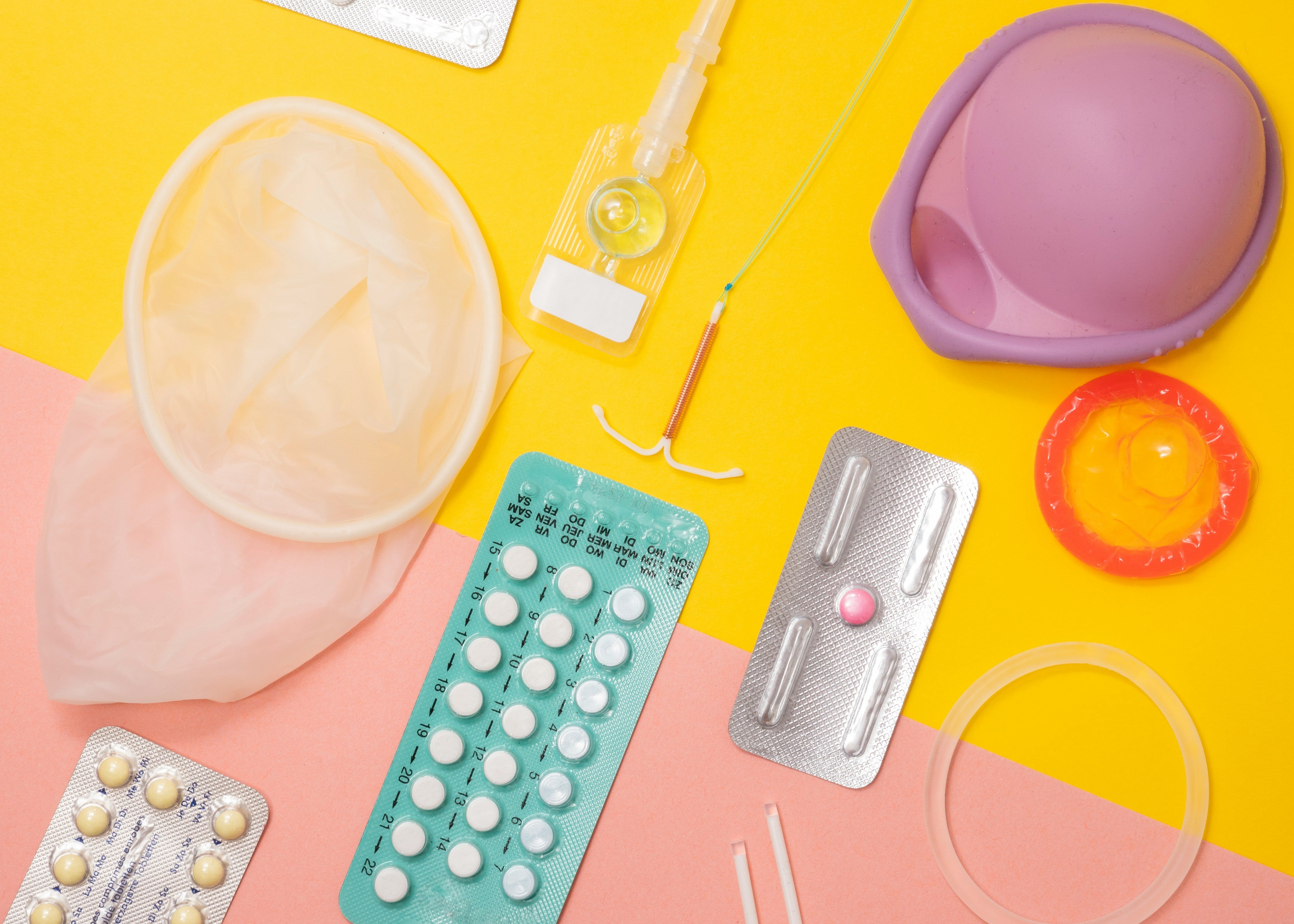
What you need to know
❌ It is not a cure for PMS, acne, PCOS, fibroids, endometriosis, etc.
📉It depletes key nutrients needed for hormonal balance and fertility
💪🏽It hinders our bodies from building lean muscle and increases fat storage
🩸The scheduled bleeding some have while on contraceptives is not a period
🦠It weakens our gut microbiome
🤕It alters brain function potentially leading to decreased memory and cognition, anxiety and depression
💓It lowers libido
There are several different types of contraceptives out there. They don’t all work the same and don’t impact our bodies in the same way. With that being said, any options containing hormones and preventing ovulation will elicit the negative side effects mentioned above. If you’re considering birth control or have been suggested it by your doctor I encourage you to do research and advocate for yourself.
I can’t wrap up this newsletter without sharing one last bit of food for thought. When a male version of the pill was invented and undergoing clinical trials it was abandoned because men were experiencing the same negative side effects women experience when on it.
Warm regards,
Donelle