
Functional lab testing 🧪
What it is and why it's useful

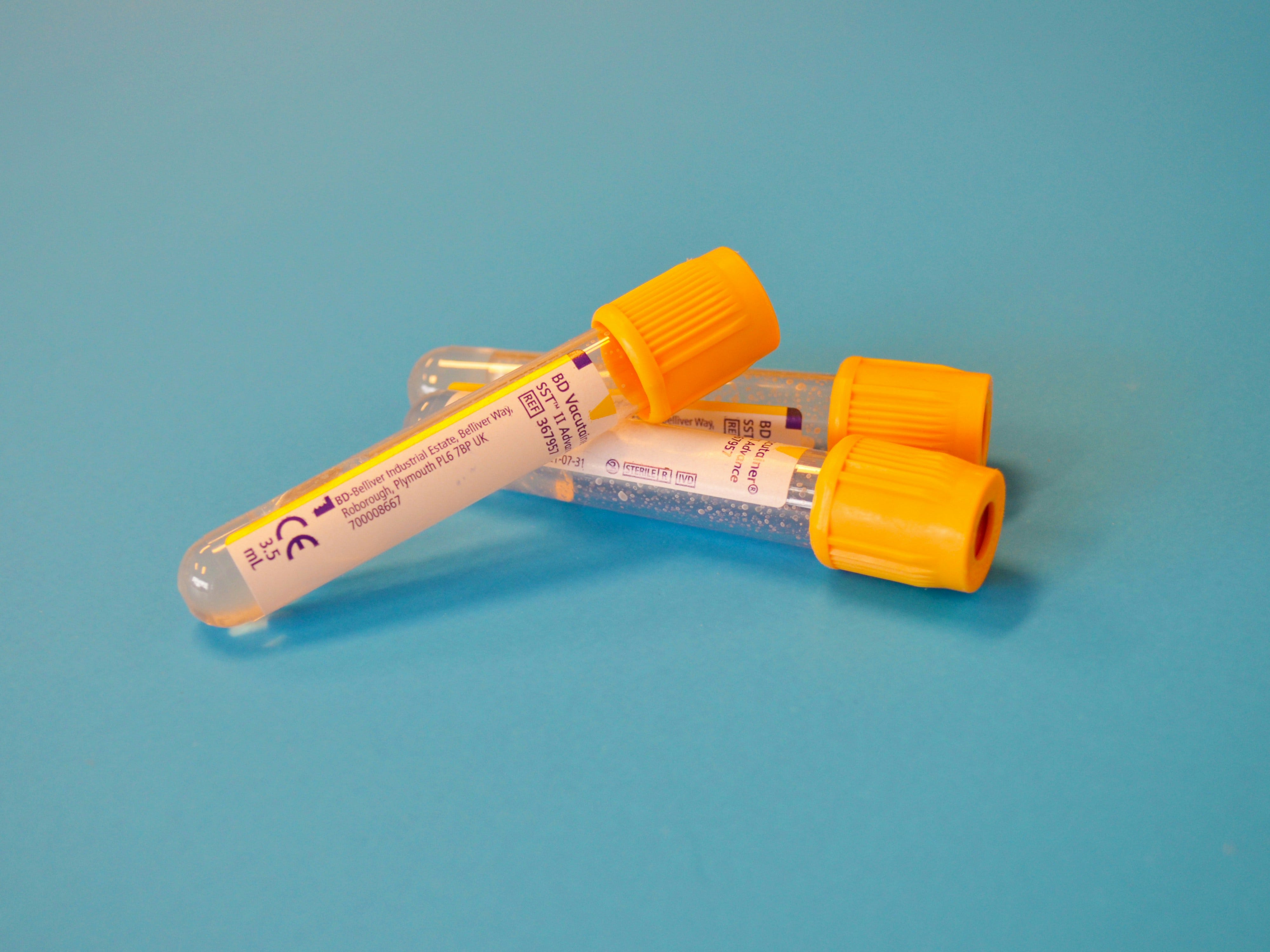
For better or worse I’ve noticed in my lifetime that medical advice and access has become a lot less centralized (I’m 36 years old). Major health organizations such as the World Health Organization (WHO), Center for Disease Control (CDC), National Health Service (NHS), etc. still exist but more and more information is becoming available through social media 🤳, podcasts 🎧 and newsletters 💌 like this one! Alongside that, many direct to consumer products (like watches and rings) and tests have become available. In my practice I’ve found that beyond the valuable data testing can deliver, it can also be validating ✅ and motivating ✅. Both of which are hugely important for taking the necessary steps to improve one’s health. Below we’ll explore some of the different types of functional lab tests available and why they’re helpful.
Types of tests I work with (Part I)
💩GI-MAP
🎢Hormone panel
🍞Food sensitivity
💩 If a client only has budget for one test the GI-MAP is my go-to. A couple of thousand years ago Hippocrates declared “all disease begins in the gut”. The medical community has finally caught on to just how important gut health is for overall mental and physical health. So many issues people are dealing with are downstream consequences of gut issues (even if you don’t experience digestive issues). In 2025 everyone has leaky gut, it’s just a matter of discovering where on the spectrum you fall and how you can improve it. The test is done by collecting a sample of your poo.
🎢 Hormone panels are a great way to take the guess work out of what’s causing your mood swings, painful or irregular periods, hot flashes, brain fog, tender breasts, trouble sleeping, inability to lose weight, etc. The test I work with looks at a number of different hormones such as estrogen, progesterone, testosterone, cortisol, etc. as well as other markers that give insight into your body’s detoxification processes, gut health, inflammation, nutrient deficiencies, etc. The test is done by collecting urine samples.
🍞 With the prevalence of leaky gut in today’s world most people are also walking around with food sensitivities they often don’t even know about. Prolonged consumption of foods which your body actually doesn’t respond well to leads to inflammation and increasing levels of leaky gut. Food sensitivity testing is easy, insightful and actionable. It’s done by collecting a small amount of blood via a finger prick.
There are a few other types of tests I also find insightful. We’ll explore those in a Part II at some point. For now I also want to state that testing isn’t always necessary, especially at the beginning of one’s health journey. In my practice I find that 80% of clients see a transformation in their health and relieving of symptoms by implementing basic dietary and lifestyle changes. For that other 20% where issues still remain after covering the basics, testing can be hugely beneficial. With that being said, if you’re someone that’s interested in having the data at the beginning to validate things and provide you with motivation, it’s a great and accessible option to consider.
Warm regards,
Donelle